
When broadcasting live events from outdoor venues or locations without a stable wired internet connection, securing a reliable network is the most critical challenge. While many people attempt to use smartphone tethering or mobile hotspots for simple setups, these methods have significant limitations when it comes to professional broadcast quality.
To guarantee a seamless, high-quality broadcast, media professionals rely on a specialized piece of equipment known as a Bonding Encoder.
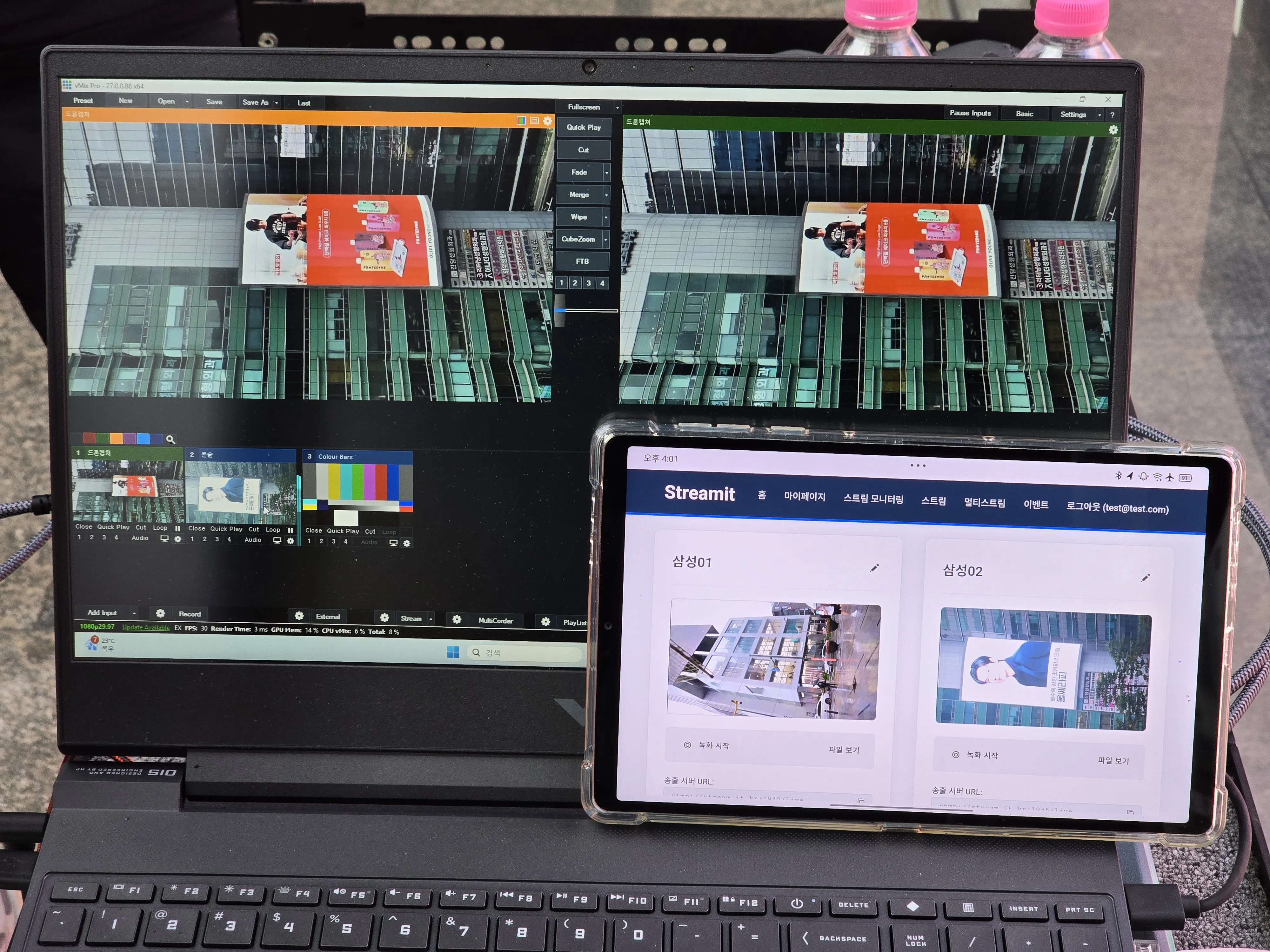
The Limitations of Single Networks (Tethering and Hotspots)
Relying on a single mobile network for YouTube live streaming or corporate broadcasting introduces several critical risks:
- Unstable Network Connections: Tethering and hotspots depend on a single mobile network, which can easily suffer from signal degradation or speed drops in crowded areas. This can lead to the stream freezing for several seconds or even minutes, which is a massive risk for important events.
- Heavy Data Consumption: Streaming in 1080p high definition consumes a massive amount of data, often exceeding 2GB per hour.
- Thermal Throttling and Battery Drain: Using a smartphone as a hotspot for extended periods causes severe overheating. When the device gets too hot, it automatically throttles the network speed or drops the connection entirely to protect itself.

What Is a Bonding Encoder?
A Bonding Encoder is a professional broadcasting device designed to resolve the instability of single networks by combining multiple network connections into one powerful, unified internet pipeline. By integrating various LTE and 5G networks, it provides the massive bandwidth and ultimate stability required for uninterrupted live streaming.
How Does It Work? Core Technologies
The true power of a Bonding Encoder lies in its advanced network management technologies:
1. Network Aggregation (Bonding)
Instead of relying on one carrier, the device physically and logically binds multiple LTE or 5G lines together. Utilizing a Roundrobin packet distribution method, it spreads the video data across all available networks, preventing bottlenecks and ensuring a massive, stable upload bandwidth.

2. Failover System
The Failover function is a vital backup mechanism. If one specific network's signal weakens or completely disconnects, the system automatically and instantly routes the data through the remaining active networks. Because of this, the viewers will not experience any buffering or dropped frames.
3. ABR (Adaptive Bitrate)
In environments where the overall wireless signal is extremely poor, the ABR (Adaptive Bitrate) technology automatically monitors the network status and adjusts the video bitrate in real-time. This prevents the broadcast from completely stopping, dynamically modifying the quality to maintain a continuous stream.
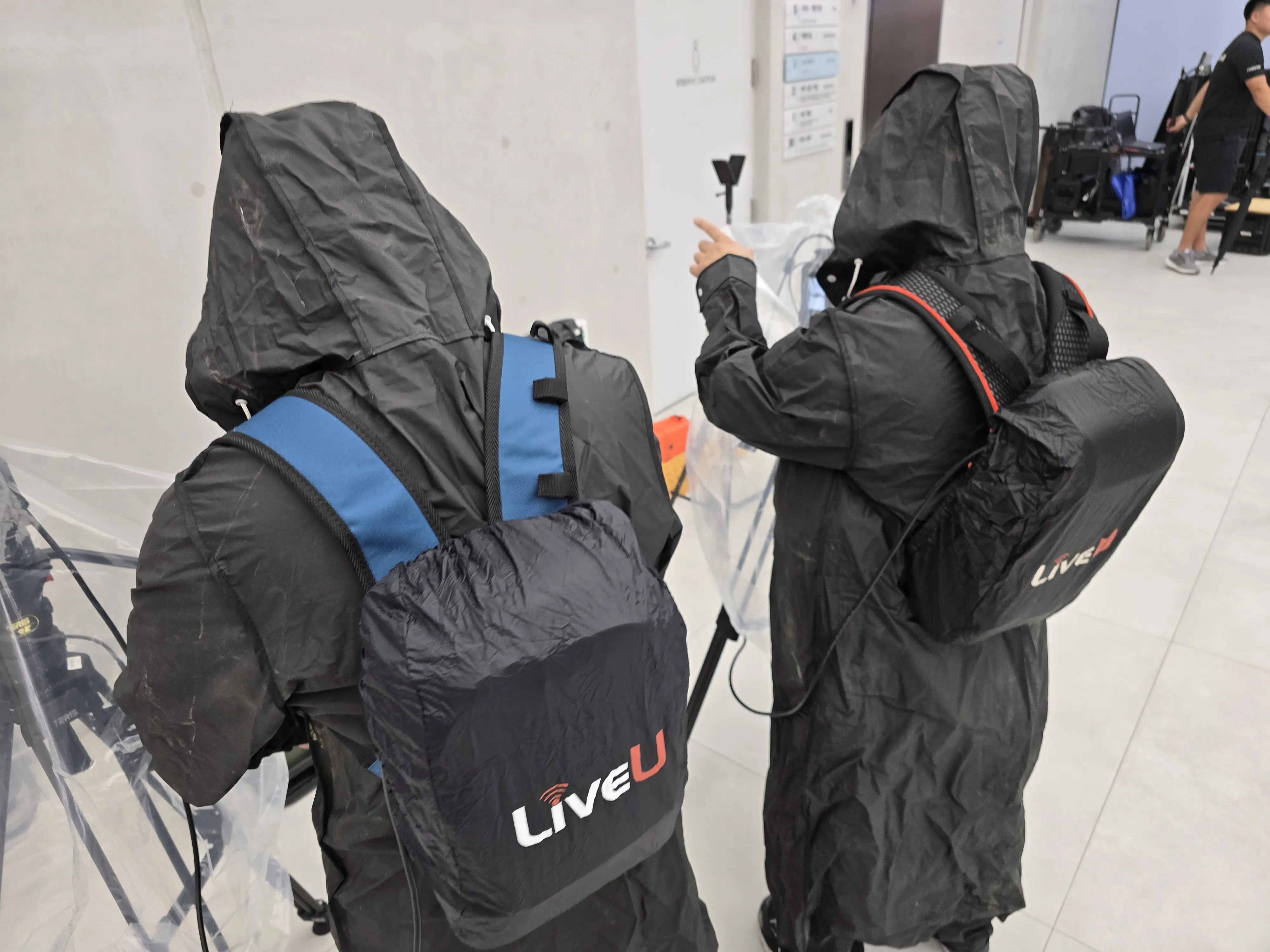
"The prestige of an event is completed by the quality of its broadcast."
Why You Need It for Professional Live Streaming
In highly secure areas, crowded public squares, or outdoor events, installing a fixed wired internet line is often impossible, and public Wi-Fi or standard LTE networks are highly unstable.
Using a Bonding Encoder and Bonding Router allows you to create an independent, reliable network zone dedicated solely to your live broadcast. It ensures that your high-quality video is safely transmitted without any interruptions.
If you are planning an important corporate event, town hall meeting, or outdoor live stream and need guaranteed stability, professional equipment and experienced engineers are essential. Contact JR Media to ensure your next live broadcast is completely flawless, backed by our robust network bonding solutions.